Viruses have changed the world. As people came to a standstill, the Earth—once strained and exhausted—began to heal itself, showing visible signs of recovery in many large and small ways. At a time when concern for the environment has never been greater, people's perception of beauty is also undergoing a profound transformation. Consumers are moving away from the narrow mindset of focusing solely on whether a product contains "natural" or "organic" ingredients or relying on such appealing labels. Instead, they are taking a more fundamental approach by considering not only the ingredients themselves, but also the manufacturing process, packaging, the values a brand upholds, and the ethical standards of the company behind it. This movement, known as Clean Beauty, has emerged as one of the most influential trends in the beauty industry. The philosophy of clean beauty is clear. It emphasizes ensuring that every stage of a product's life cycle—from sourcing effective ingredients and manufacturing to consumption—causes no harm to individuals, society, or the environment. Moreover, it asks whether these practices remain ethically sustainable even across future generations. Although the term includes the word "beauty,"clean beauty extends far beyond cosmetics; it represents a core value that influences lifestyles as a whole (Hyangjang, No. 620). 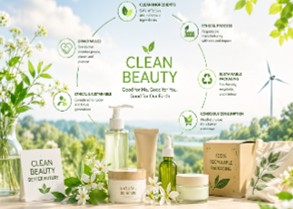
|